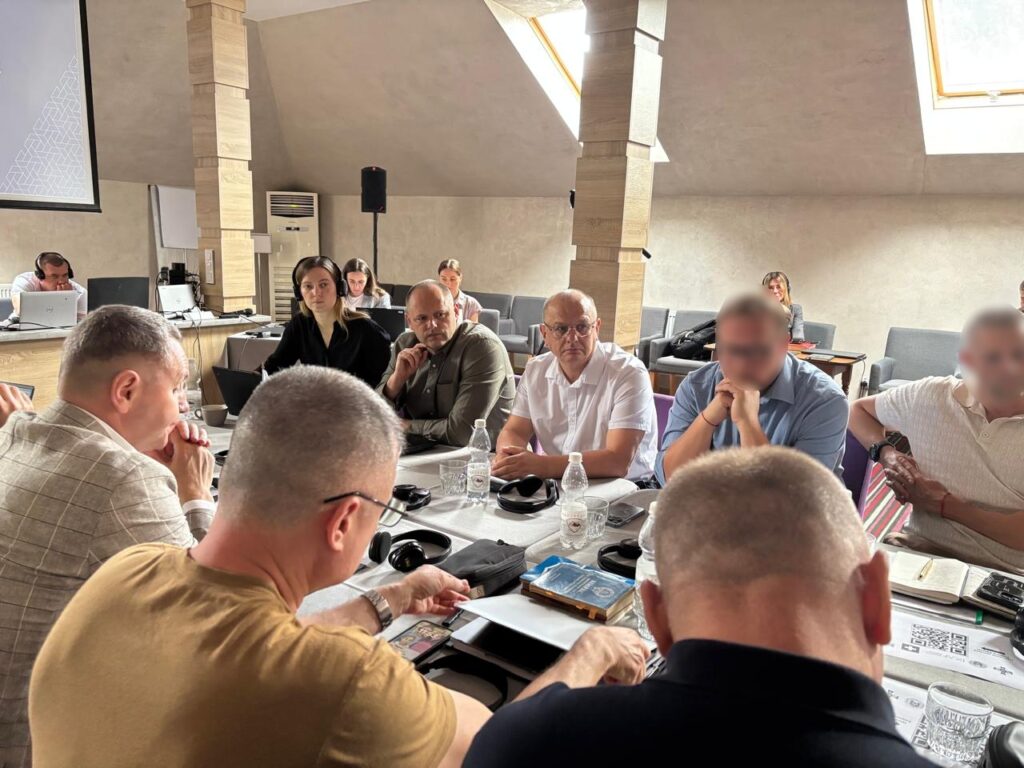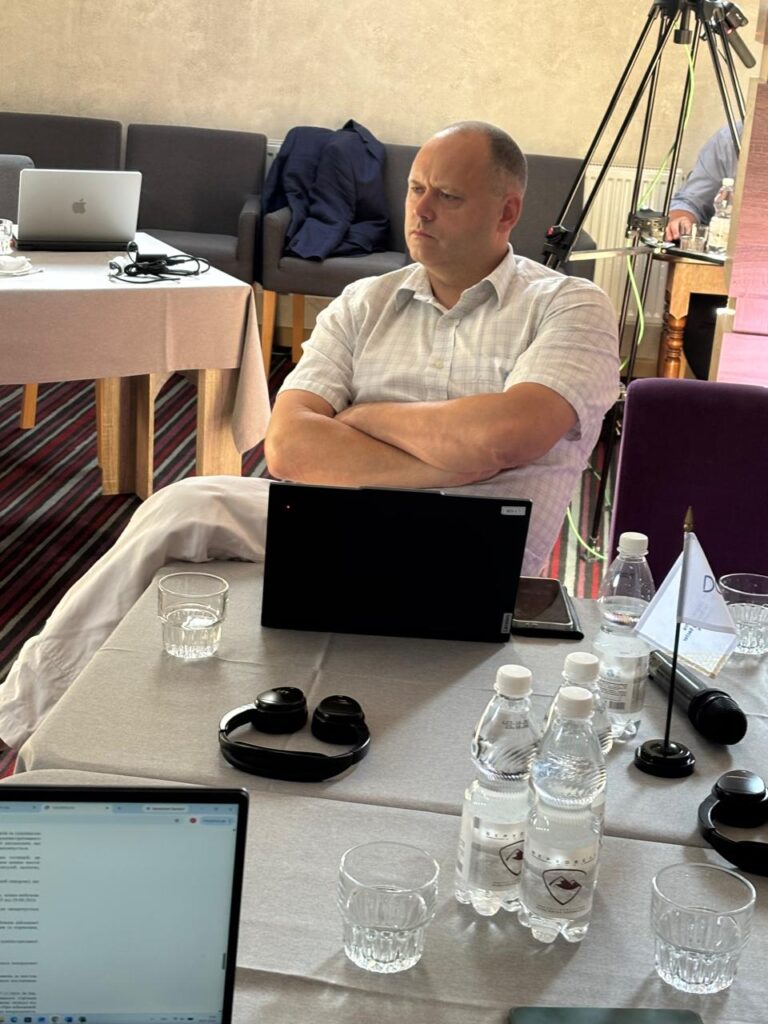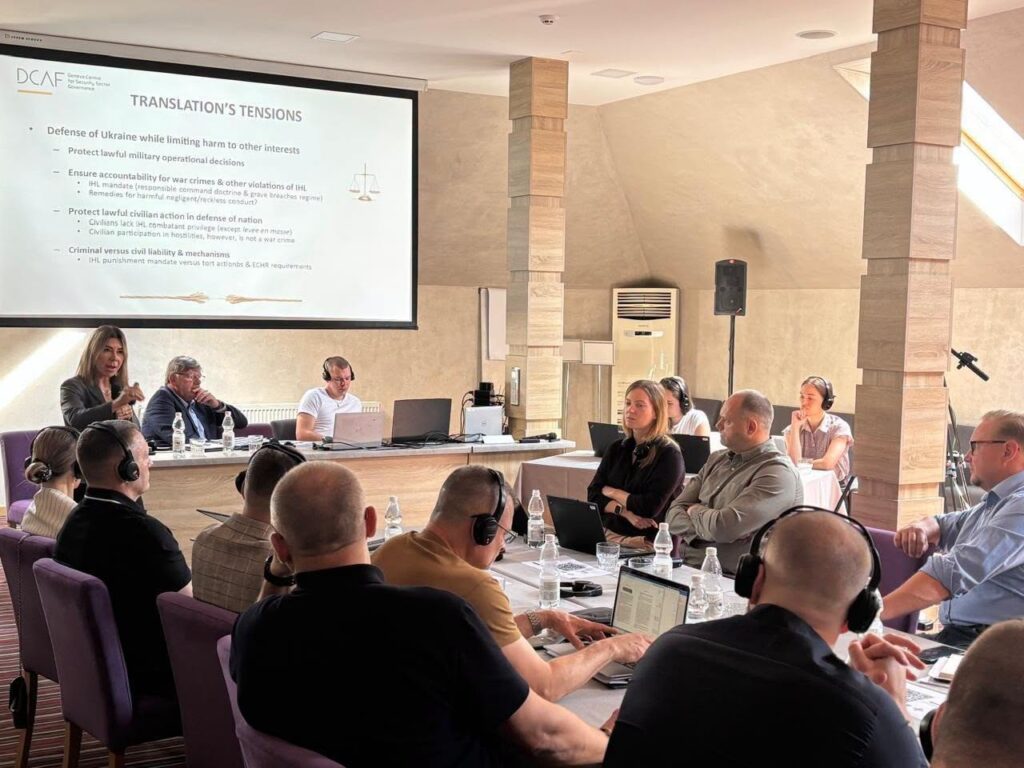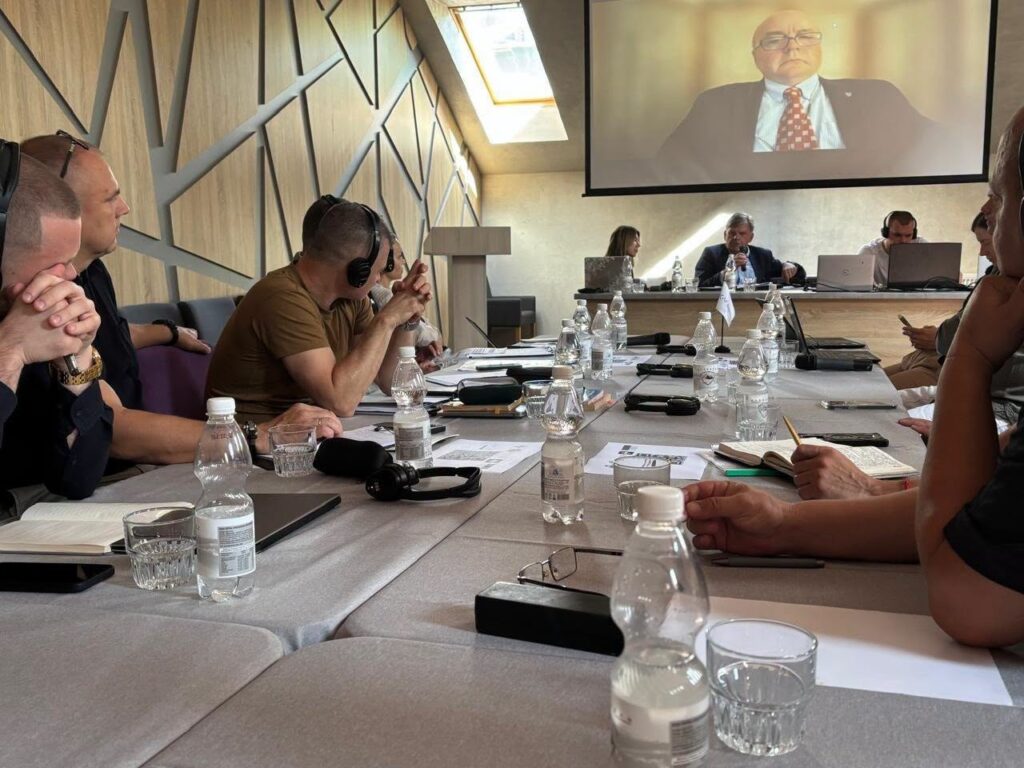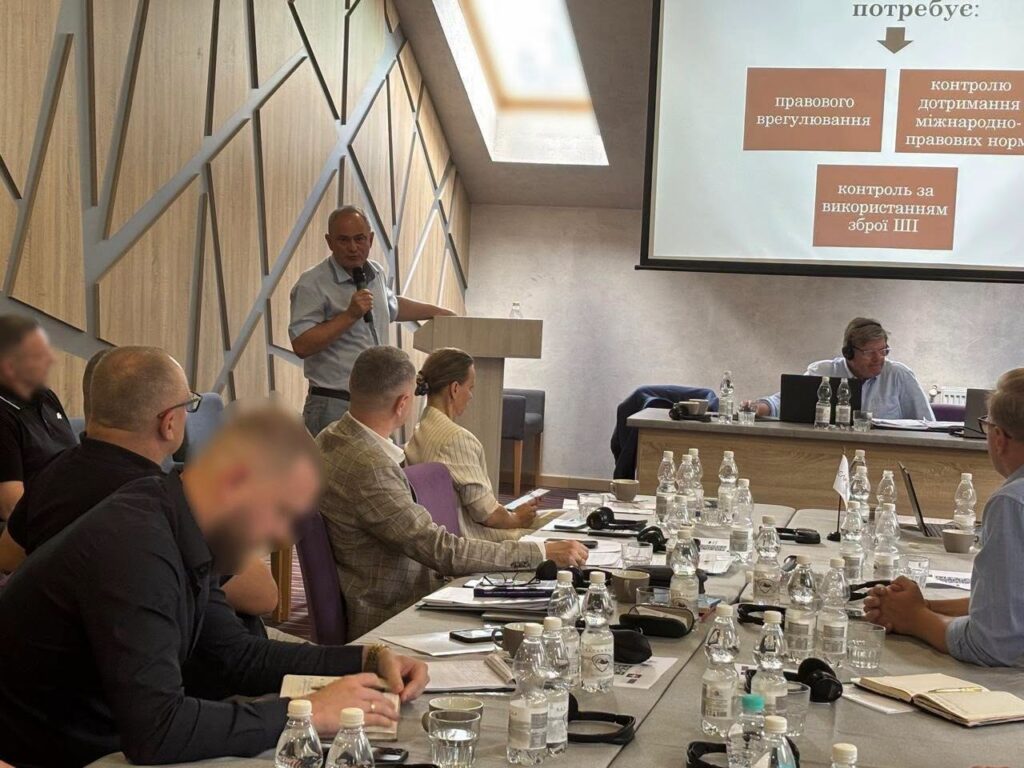
Recently, with the support of the Geneva Center for Security Sector Governance (DCAF), in implementation of the decision of the Commander-in-Chief of the Armed Forces of Ukraine to develop a unified approach to the practical implementation of developments in the field of guaranteeing the rights of military personnel, training was held for representatives of legal services of commands of services, individual branches of troops (forces) and operational commands of the Armed Forces of Ukraine on the topic “Legal aspects of the participation of military personnel in armed conflict. Issues of combat immunity”.
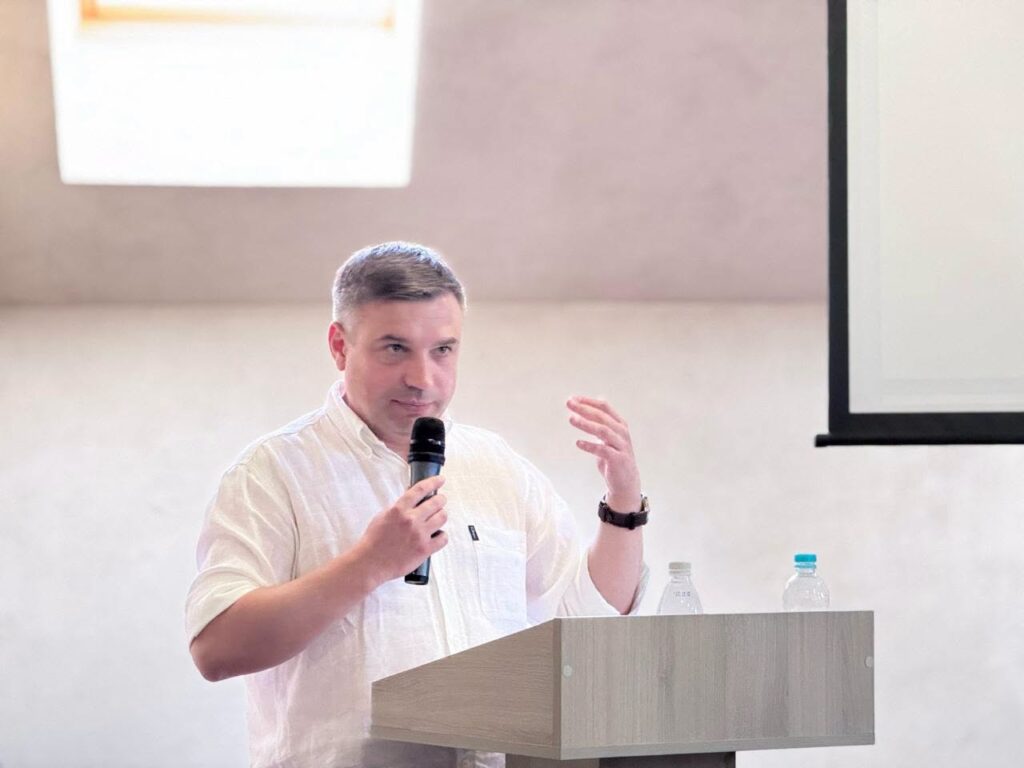
The event was opened by the Chief Program Manager, Senior Advisor on Security Sector Reform at DCAF, Dr. Gražvydas Jasutis, and the Head of the Central Legal Department of the General Staff of the Armed Forces of Ukraine - Chief of the Legal Service of the Armed Forces of Ukraine, Colonel of Justice Bohdan Shamrai.
The intensive training program covered ten thematic sessions, from the concept and limits of combat immunity to command responsibility and compliance with international humanitarian law (IHL) and media literacy. Participants, together with international experts from the United States and Ireland, examined comparative doctrines of combat immunity, battlefield operations under incomplete information, the treatment of prisoners of war, and the use of artificial intelligence in targeting.
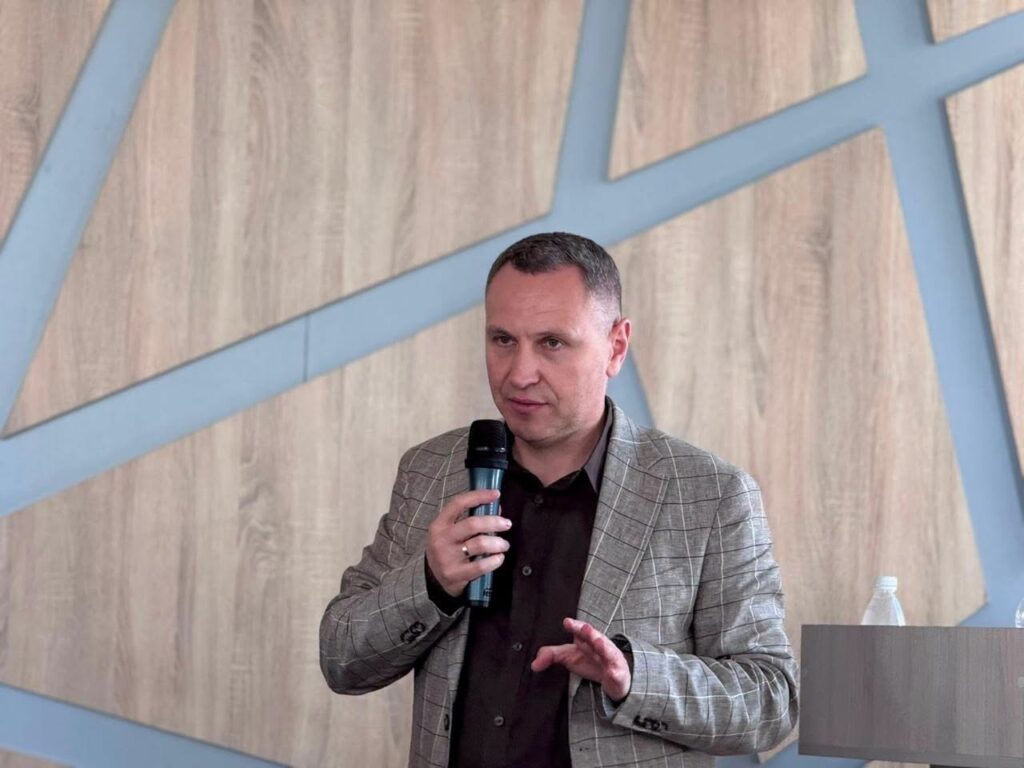
Colonel of Justice Bohdan Shamray highlighted the organizational and legal aspects of compliance with IHL norms in the Armed Forces of Ukraine under martial law, emphasizing that strict compliance with international humanitarian law is not only a legal obligation and a component of Ukraine's civilizational choice, but also a guarantee of legal protection for military personnel who, in the context of hostilities, defend Ukraine from the Russian aggressor.
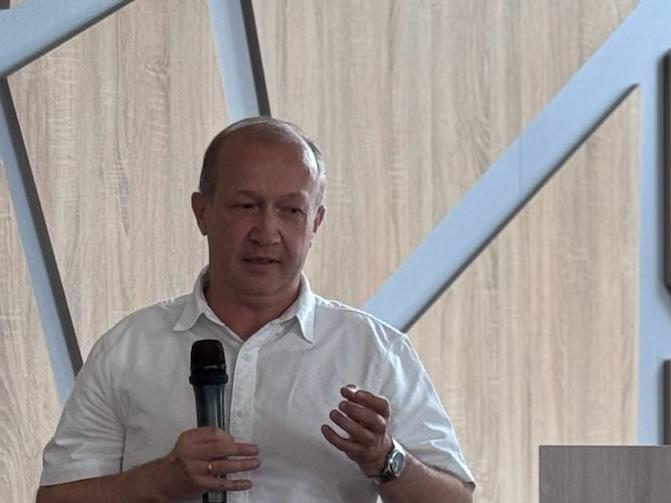
Deputy Chief of the Main Communications Department of the Armed Forces of Ukraine, Colonel Andriy Dyda, dedicated his speech to media literacy and coverage of war crimes and violations of IHL in national and international media, emphasizing that professional and timely communication is an effective tool of strategic communications.
The limits of combat immunity, the evaluation of evidence from the battlefield, the investigation of incidents and harm to civilians, and the protection of the lawful decisions of commanders were also discussed.
Such trainings bring national practices in the application of IHL norms closer to NATO standards, develop interoperability with the armies of partner states, and increase the trust of international partners in Ukraine.
04.08.2026